Knee Osteoarthritis: What really helps?
Written by Patrick Moore: GLA:D Certified Physiotherapist
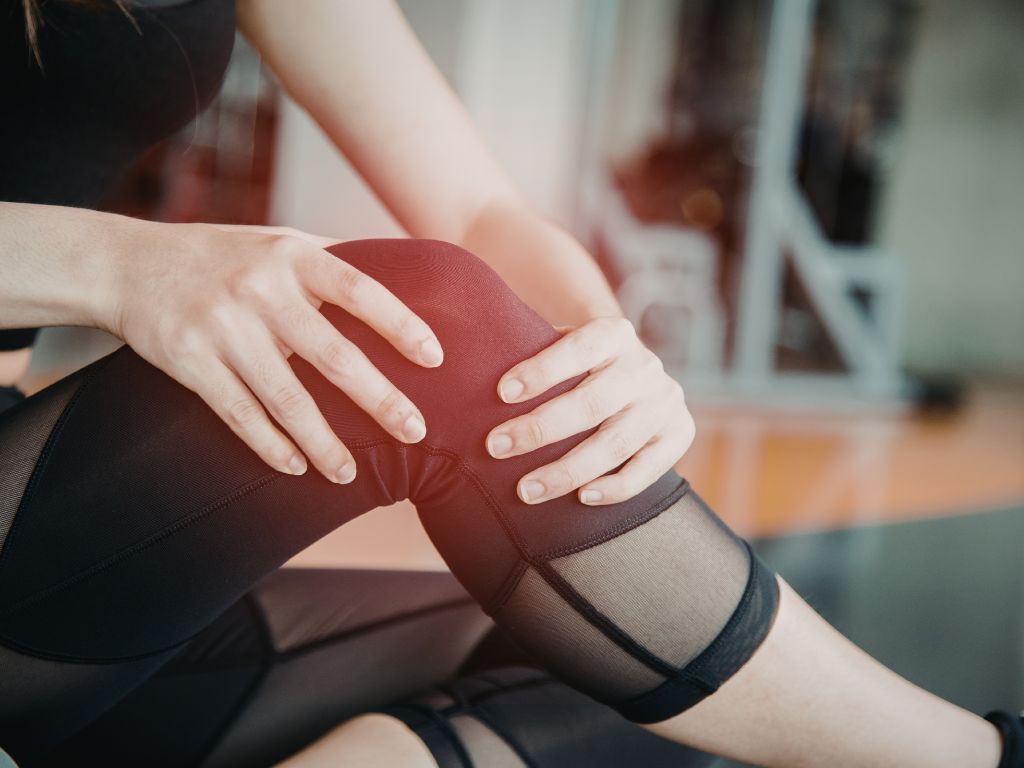
Knee pain when you walk downstairs? Morning stiffness that takes a while to ease off?, or a grinding feeling when you bend down? If any of that sounds familiar, you’re far from alone, and you may be experiencing symptoms of osteoarthritis.
Knee osteoarthritis affects millions of Australians and the treatment options available to us can be difficult to understand and navigate. Total knee replacement is widely used in Australia as the final treatment option for knee osteoarthritis, but there are a number of things you can do before or even instead of surgery.
How Common Is It?
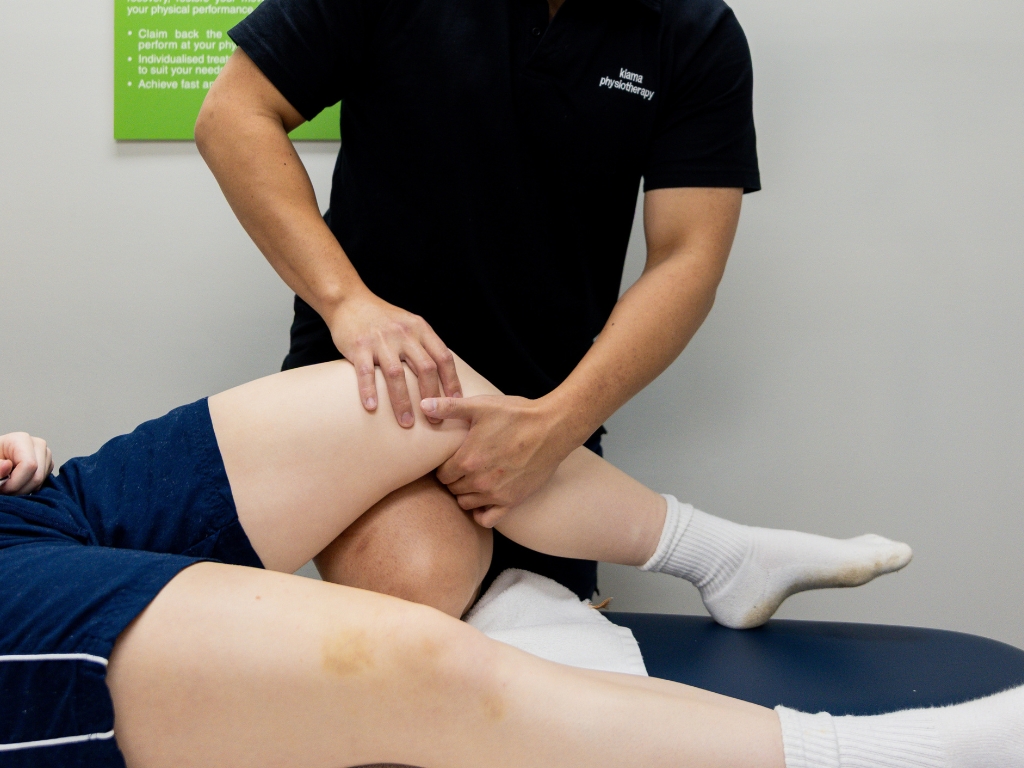
Osteoarthritis is the most common form of arthritis in Australia. According to the Australian Institute of Health and Welfare, around 2.1 million Australians were living with osteoarthritis as of 2022, which is roughly 1 in 12 people. Of those, it’s estimated that 59% have knee osteoarthritis.
The numbers are also heading in one direction. With an ageing population and rising rates of obesity, knee osteoarthritis is going to become more and more prevalent in the years ahead.
What Does Knee Osteoarthritis Actually Feel Like?
Osteoarthritis involves the whole joint: there are changes to the cartilage, muscles, meniscus and bone. It had always been the belief that the loss of cartilage alone was responsible for the symptoms of osteoarthritis, but this is not the case. The symptoms can vary from person to person, but here’s what people commonly experience:
- Pain – during or after activity, or when you’ve been sitting still for a while
- Stiffness – especially first thing in the morning or after a long rest
- Swelling – around the joint from inflammation
- Less range of motion – trouble fully bending or straightening the knee
- Clicking, creaking, or grinding (known as crepitus) when you move
- Weakness – the muscles around the knee often weaken when pain leads to less movement
Symptoms tend to come and go for people with osteoarthritis. While knee OA is more common from age 45 onwards and affects more women than men, it can show up as early as your 30s – especially if you’ve had a previous knee injury.
How Is It Diagnosed?
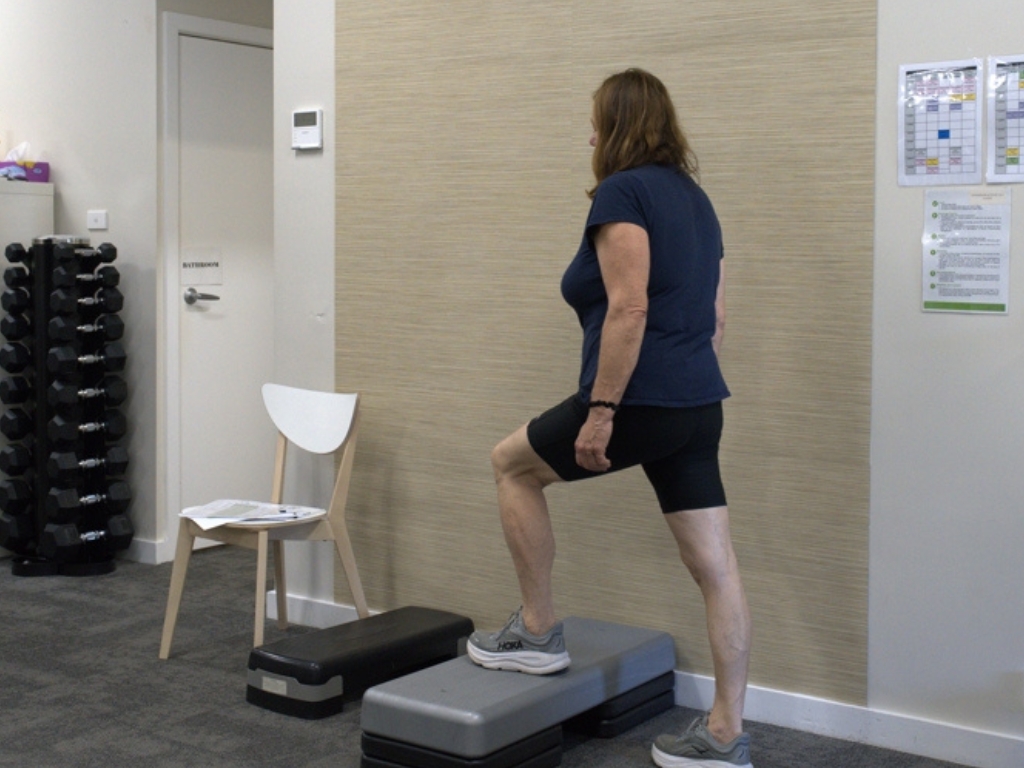
Your physio or GP will start with a detailed chat about your symptoms. We’ll ask about: when they started, what makes them better or worse, and how they’re affecting your day-to-day life. This will be followed by a physical examination to check range of motion, joint swelling, tenderness, and muscle strength. A diagnosis of knee osteoarthritis can be made with the information gathered in this examination.
X-rays are often used to look for things like joint space narrowing or bone spurs (osteophytes). An MRI might be recommended if a clearer look at the soft tissues (meniscus, ligaments) is needed.
One thing worth knowing: what shows up on imaging doesn’t always match how someone feels. Some people with quite significant changes on X-ray will have mild symptoms, while others with relatively minor imaging findings can be in real discomfort. That’s exactly why a thorough, individualised assessment matters, not just the scan.
Knee Replacement: Is it Always Necessary?
Each year, more than 53,500 knee replacements are performed to treat osteoarthritis in Australia. A number that continues to climb.
Done at the right time and for the right person, knee replacement is an effective way to manage osteoarthritis. It is important however, that it isn’t the first one. Current Australian clinical guidelines are clear: non-surgical treatment should come first for most people: education, exercise and weight management are the first-line treatment options.
A significant proportion of people unfortunately remain dissatisfied after joint replacement, often because surgery didn’t meet their expectations. In Australia, around 20% (1 in 5) of people are dissatisfied with their total knee replacement.
The good news? Physiotherapy-led exercise programs can make a real difference and for many people, they reduce, delay or remove the need for surgery altogether.
Treatment Options for Knee Arthritis
The most effective approach combines a few key strategies:
- Exercise therapy is the number one treatment. Targeted exercise strengthens the muscles around the knee, eases pain, and improves how the joint functions. It might seem like the last thing you’d want to do when your knee hurts, but exercise is safe and effective at every stage of osteoarthritis. Studies have shown benefit from a range of exercise types: strength training and general physical activities such as walking and cycling.
- Education makes a bigger difference than most people expect. When you understand what’s actually going on in your joint, you feel more in control and less scared of moving. Understanding what your treatment options are can also be extremely beneficial.
- Weight management reduces the load going through the joint with every step. Even modest changes can have a meaningful impact on pain and function. Reducing body fat can also positively influence inflammation in the body that contributes to joint pain.
- Manual therapy, massage, dry needling and taping can improve joint mobility, settle pain, and help you move more comfortably. These treatments alone will not be enough to manage osteoarthritis, but can be helpful to allow you to perform exercise and stay active.
- Pain medication may be a part of your osteoarthritis pain management. Simple analgesia (like paracetamol) and Non-Steroidal Anti-inflammatories (NSAID’s) are most commonly used. Please discuss with your GP or pharmacist.
- Injections such as corticosteroids, PRP, hyaluronic acid and stem cells are all available in Australia. Corticosteroid injections can be helpful for a short-term reduction in pain. The evidence regarding the others remains varied. Injections may form part of the management of knee osteoarthritis, alongside education, exercise and weight management.
- Surgery, including total knee replacement, is genuinely the right option for some people. When people have severe symptoms and haven’t improved with non-surgical management (at least 6 months of exercise), joint replacement may be considered.
The GLA:D® Program at Gerringong & Kiama Physiotherapy
We offer the GLA:D® program: short for Good Life with OsteoArthritis: Denmark, right here at our clinics in Gerringong and Kiama.
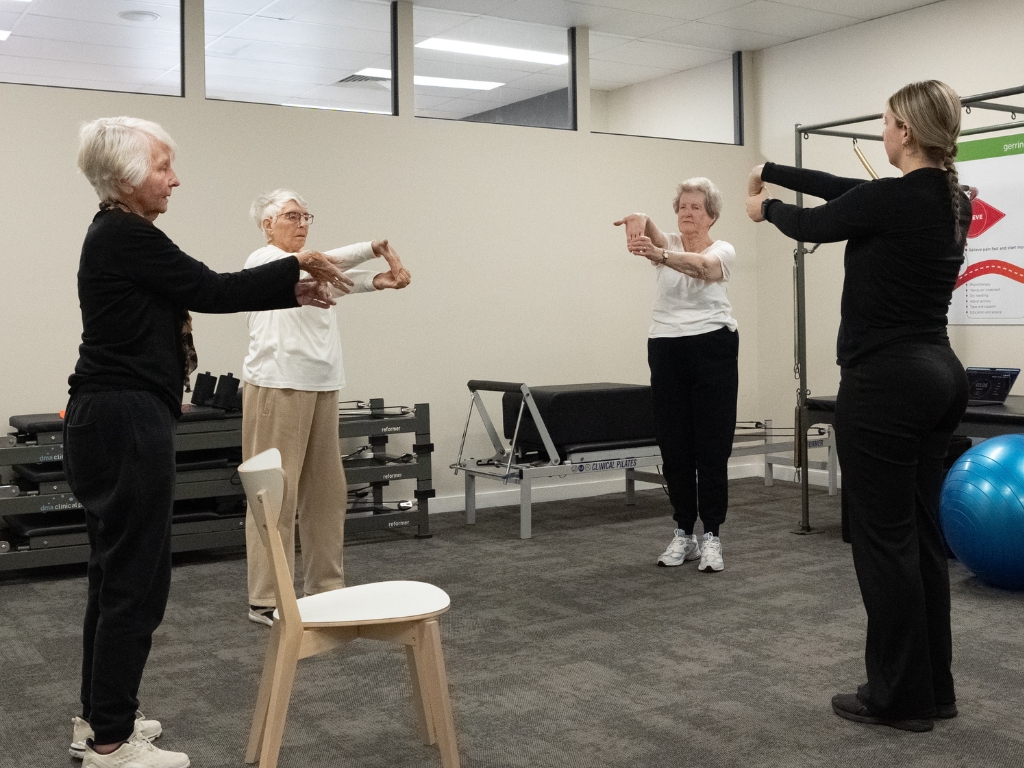
Originally developed by researchers in Denmark, GLA:D® was brought to Australia in 2016 and is now a national not-for-profit program led by La Trobe University. It’s built around the same principles that clinical guidelines recommend: education and exercise as the foundation of osteoarthritis management. Our team is fully trained and licensed to deliver it.
How the program works:
- An initial assessment with one of our physios to talk through your symptoms and goals and take baseline physical measurements
- Two group education sessions on what osteoarthritis is, what affects it, and how to manage it for the long term
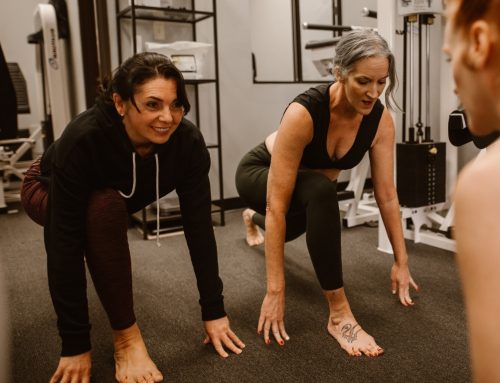
- Twelve supervised exercise sessions: twice a week over six weeks, in a small group of up to six people, with every exercise adapted to your level
- A three-month review to check your progress and plan what’s next
The program suits anyone with osteoarthritis symptoms in their hip or knee, no matter how mild or severe.
What to expect from it:
Research from the GLA:D® Australia program shows meaningful reductions in pain sustained at twelve months, along with less reliance on pain medication, improved movement, and greater confidence managing the condition day to day. For many participants, it’s also helped them avoid or delay surgery.
You Don’t Have to Just Put Up With It
Knee osteoarthritis is common, but it’s not something you have to simply accept. Most people can make real, meaningful improvements to their pain and movement with the right guidance. Surgery isn’t inevitable, and you don’t have to wait until things get worse before doing something about it.
If knee pain is holding you back, whether it’s walking the Gerringong headland, keeping up with the grandkids, or just getting through a normal day more comfortably, we’d love to help.
Call us on 02 4234 4666 or find out more about the GLA:D® program here.
References
Australian Bureau of Statistics. (2023). Arthritis, 2022. https://www.abs.gov.au/statistics/health/health-conditions-and-risks/arthritis/latest-release
Australian Institute of Health and Welfare. (2024). Osteoarthritis. Australian Government. https://www.aihw.gov.au/reports/chronic-musculoskeletal-conditions/osteoarthritis
Australian Orthopaedic Association National Joint Replacement Registry. (2022). Hip, knee and shoulder arthroplasty: 2022 annual report. Australian Orthopaedic Association. https://aoanjrr.sahmri.com
Barton, C. J., Kemp, J. L., Nelligan, R. K., Mosler, A. B., Agaliotis, M., Sherburn, M., & Hinman, R. S. (2021). Program evaluation of GLA:D® Australia: Physiotherapist training outcomes and effectiveness of implementation for people with knee osteoarthritis. Osteoarthritis and Cartilage Open, 3(3), 100183. https://doi.org/10.1016/j.ocarto.2021.100183
Briggs, A. M., Cross, M. J., Hoy, D. G., Sànchez-Riera, L., Blyth, F. M., Woolf, A. D., & March, L. (2016). Musculoskeletal health conditions represent a global threat to healthy aging: A report for the 2015 World Health Organization world report on ageing and health. The Gerontologist, 56(Suppl. 2), S243–S255. https://doi.org/10.1093/geront/gnw002
GLA:D® Australia. (2023). GLA:D® Australia annual report 2023. La Trobe University. https://gladaustralia.com.au
Gunaratne, R., Pratt, D. N., Banda, J., Fick, D. P., Khan, R. J. K., & Robertson, B. W. (2017). Patient dissatisfaction following total knee arthroplasty: A systematic review of the literature. Journal of Arthroplasty, 32(12), 3854–3860. https://doi.org/10.1016/j.arth.2017.07.021
Sayers, A., Wylde, V., Lenguerrand, E., Gooberman-Hill, R., Pyke, M., Beswick, A. D., & Blom, A. W. (2022). Determining patient activity goals and their fulfilment following total knee arthroplasty. PLOS ONE, 17(1), e0261820. https://doi.org/10.1371/journal.pone.0261820
The Royal Australian College of General Practitioners. (2018). Guideline for the management of knee and hip osteoarthritis (2nd ed.). RACGP. https://www.racgp.org.au/clinical-resources/clinical-guidelines/key-racgp-guidelines/view-all-racgp-guidelines/osteoarthritis
Yeo, M. G. H., Ackerman, I. N., Bohensky, M., Wang, Y., de Steiger, R., & Cicuttini, F. (2022). Global Burden of Disease Study 2019: An opportunity to understand the growing prevalence and impact of hip, knee, hand and other osteoarthritis in Australia. Internal Medicine Journal, 52(12), 2127–2136. https://doi.org/10.1111/imj.15913