
womens health logo

southern coast pelvic health physiotherapy and pilates

Your solution for ultimate pelvic health, helping you reach your goals with respect and understanding

About Us

Southern Coast Pelvic Health Physiotherapy and Pilates is a partner of Gerringong and Kiama Physiotherapy which has been providing professional, caring and patient focused physiotherapy for almost 20 years.

Discussing pelvic health problems can be difficult. Our team all have a special interest in pelvic health and will listen and make you feel comfortable to discuss your concerns.

We strive to provide gold standard care by ensuring that our clients have a clear understanding of their condition, solutions to control their symptoms and a plan to optimise their health, fitness and well being.

Our first priority is to assess and diagnose your current condition. This will generally occur over two consultations. Our expert team will take a history, perform a physical examination and undertake any relevant special tests. At Southern Coast Pelvic Health Physiotherapy and Pilates we use real time ultrasound, EMG and other evidence based assessment tools.

The next step is to help control your symptoms. This could include education, lifestyle modifications, muscle training, specialised interventions and graded return to activity. Our clients are always at the centre of our approach. We make sure that you have a clear understanding of your condition and what the plan is to get you on the road to recovery.

Once your symptoms are under control we can assist you to optimise your health, fitness and performance. We will analyse your biomechanics and posture through a state of the art software analysis systems. Your physiotherapist will then develop an individualised program relevant to your particular condition and this may progress you to one of our small group classes.

What We Treat

Urinary Incontinence is any accidental loss of urine. Stress urinary incontinence is urinary incontinence that may occur with coughing, sneezing, laughing and exercising. Urge urinary incontinence is urinary incontinence that occurs with a sudden overwhelming desire to get to the toilet that can’t be contained. Physiotherapy treatment may involve education, lifestyle modifications, pelvic floor muscle training, behaviour retraining, other specialised intervention and/or a support pessary. This may involve one to one consultations and/or  group classes.

Pelvic Organ Prolapse is descent of one or more of the pelvic organs into the vagina. Symptoms may include a vaginal lump, bulge, heaviness, incontinence, difficulty passing urine or stool, or back pain. Physiotherapy treatment may involve education, lifestyle modifications, pelvic floor muscle training and/or a vaginal support pessary.

OAB refers to symptomatic urinary urgency, usually with frequency and nocturia, with or without urge incontinence, that occurs in the absence of infection or other pathology. Physiotherapy management may involve lifestyle management, behaviour retraining, pelvic floor muscle training and/or electrical stimulation.

The pelvic floor muscles sit in the base of the pelvis. They have a role in maintaining bladder and bowel control, supporting your pelvic organs and maintaining normal sexual function. Dysfunction in these muscles can result in incontinence, prolapse, bladder and bowel emptying concerns and pain. Physiotherapy management may involve education, pelvic floor muscle retraining  and other specialised intervention.

Pregnancy and post partum is a time of hormonal and musculoskeletal change. Physiotherapy during this time may involve education, exercise prescription and management of musculosketal conditions associated with the pregnancy. Pelvic Floor Muscle assessment and management is recommended during this time also.

Six weeks after your baby is born we recommend that you have an assessment of your pelvis, pelvic floor muscles and abdominal wall. Physiotherapy management may involve education, advice on return to exercise in the post natal period, pelvic floor muscle training and other specialised intervention.

Pelvic Girdle Pain can include sacroiliac pain, pubic symphysis pain, coccyx pain or a mix of any of these.  Physiotherapy management of these may include education, manual therapy, exercise programs to address muscle imbalances, taping or bracing.

Loss of bowel control and urgency may occur if you have weakness in your pelvic floor muscles, changes in stool consistency or a change in sensitivity in the rectum. Physiotherapy management may involve education, lifestyle modifications, pelvic floor muscle retraining and specialised intervention.

Sexual pain is pain that is experienced in or around the vagina or pelvis during intercourse. This pain can be related to overactivity in the pelvic floor muscles. These muscles can fail to relax, creating spasm and tension with resultant pain. Physiotherapy management may involve education, breathing exercises, pelvic floor muscle downtraining, pelvic stretches and other specialised intervention.

Surgical removal of the prostate may be required to treat Prostate Cancer. Following this surgery it is not uncommon to experience urinary urgency, stress urinary incontinence and erectile dysfunction. Physiotherapy management may involve education, pelvic floor muscle training, bladder retraining and other specialised intervention.

Pelvic Health

three women walking on bridge

Pelvic Organ Prolapse

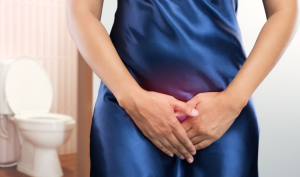
woman infront of toilet with hands over bladder

Urinary Incontinence

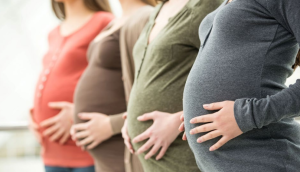
Pregnancy

four older men sitting on bench

Prostate Surgery

assess the cause
control your symptoms
optimise your health and fitness

Our team promises to deliver professional, personalised evidence based pelvic health consultations,
Education and treatment specific to your needs

Our Physio Team

physiotherapist helen

Helen Grant

physiotherapist belinda

Belinda Henry

Our Admin Team

admin team alison

Alison

admin team heather

Heather

admin jude

Jude

admin kim

Kim

admin monica

Monica

admin assistant

Jodi