Exercise During Menopause: A Guide for the Peri- and Post-Menopause Years
Written by Belinda Henry.
The peri-menopause and post-menopause years are an important time to prioritise your health, strength and fitness. Changes in hormone levels can affect muscle mass, bone health, cardiovascular health, sleep, mood and overall wellbeing. Regular exercise is one of the most effective ways to support your health through this stage of life.
The good news is that it is never too late to start, and you don’t need to be an athlete to benefit. The key is to include a combination of strength training, cardiovascular exercise, functional movement and activities that you enjoy.
Strength training: Make it a priority
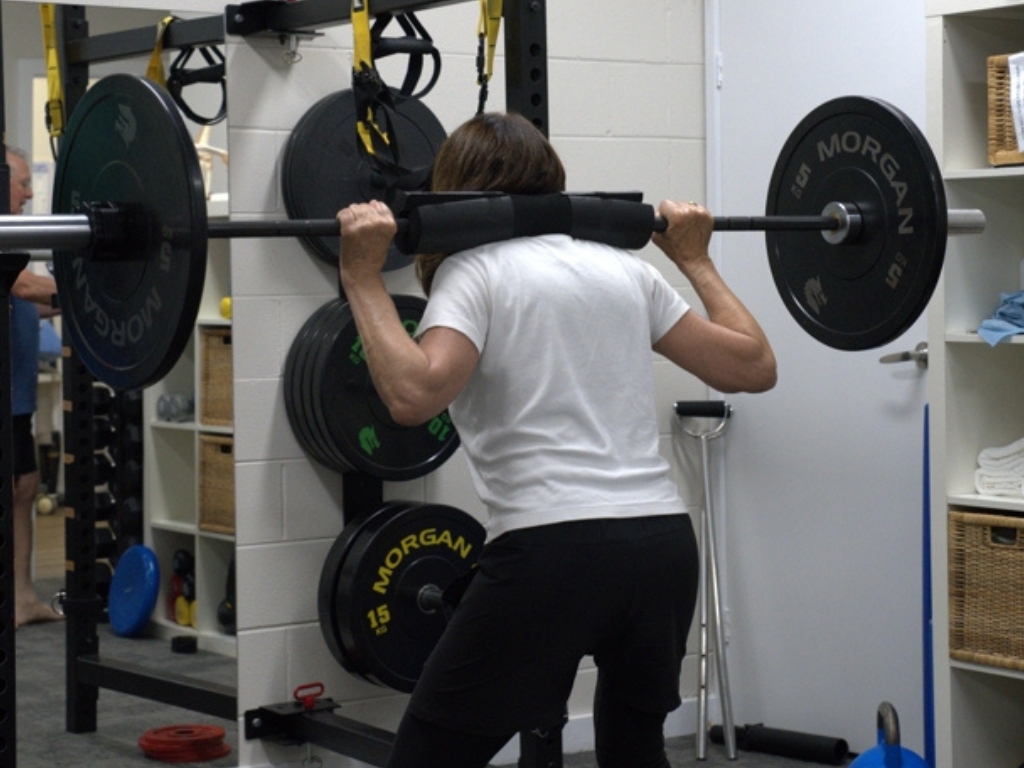
Strength training becomes particularly important during the menopausal years. As oestrogen levels decline, women are more susceptible to losing muscle mass and bone density. Resistance exercise provides an important stimulus to maintain and build muscle and support bone health.
Aim for at least two strength training sessions each week.
A well-rounded program should include the major functional movement patterns:
- Squat – squats or sit-to-stands
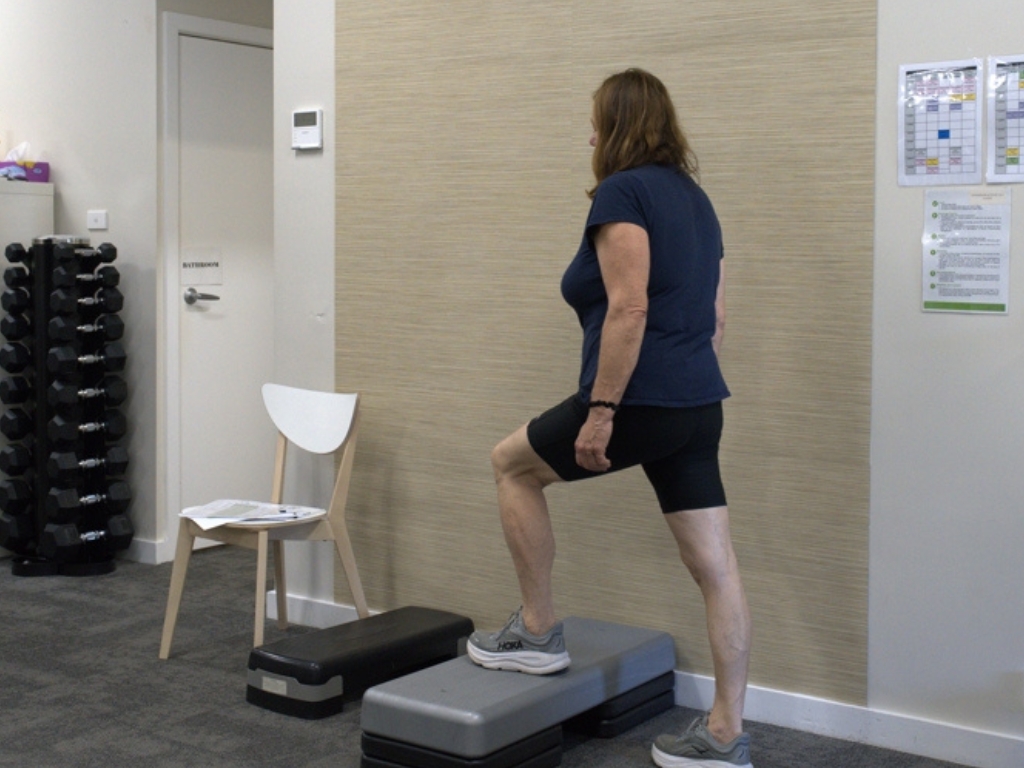
- Lunge – split squats or step-ups
- Push horizontally – chest press or push-ups
- Push vertically – overhead press
- Pull horizontally – seated or bent-over rows
- Pull vertically – lat pulldowns
- Bend to extend – deadlifts or hip hinges
Aim for approximately 3 sets of 8–10 repetitions, using a resistance that challenges you while allowing you to maintain good technique.
As you become stronger, gradually increasing the resistance is important. Your muscles and bones need an appropriate level of challenge to adapt and become stronger.
Don’t forget cardiovascular exercise
Cardiovascular exercise is also an important part of maintaining your health during and after menopause.
Current guidelines recommend aiming for:
150–300 minutes of moderate-intensity exercise per week
or
75–150 minutes of vigorous-intensity exercise per week
or a combination of moderate and vigorous exercise.
This doesn’t mean you need to spend hours in a gym. Walking, cycling, swimming, dancing, hiking, running and exercise classes can all contribute.
How hard should you work?
The talk test is an easy way to judge exercise intensity.
- Very light: You can sing normally and breathe comfortably.
- Light: You can hold a conversation, although your breathing is heavier.
- Moderate: You can speak in sentences but need to take shorter breaths.
- Hard: You can only say a few words before taking a breath.
- Maximum: You are working extremely hard and cannot comfortably talk.
For much of your cardiovascular exercise, moderate intensity is a great target. As your fitness improves, you can gradually incorporate more vigorous exercise if appropriate.
Functional movement matters
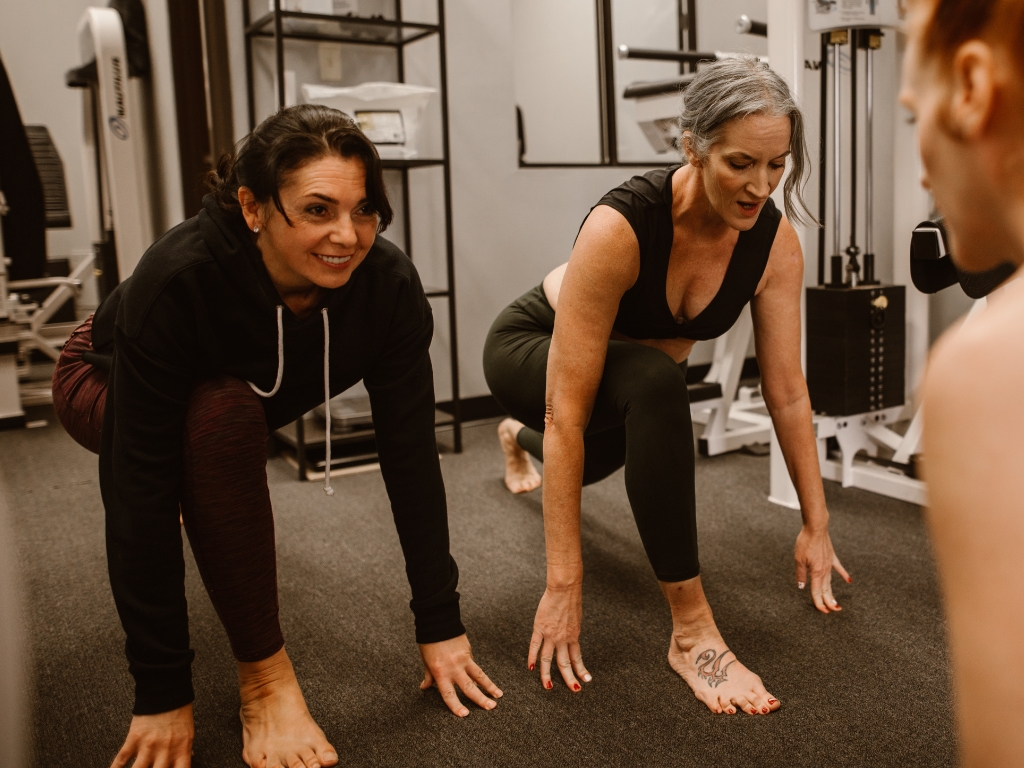
Exercise isn’t just about strength and cardiovascular fitness. Maintaining your ability to move well, balance confidently and perform everyday activities becomes increasingly important as we age.
Include exercises that challenge:
- Balance
- Coordination
- Mobility
- Strength
- Proprioception, knowing where your body is in space
- Getting up and down from the floor
- Carrying, lifting and reaching
These types of movements help maintain independence and confidence in everyday life and can help reduce the risk of falls.
Exercise should be enjoyable
Exercise doesn’t always have to feel like a workout. Walking with friends, dancing, gardening, swimming, hiking or participating in an exercise class can all contribute to an active lifestyle.
Finding activities that you enjoy and are likely to continue doing is just as important as following the perfect exercise program.
Exercise can also support relaxation, mental wellbeing, sleep, mobility and confidence.
What about the pelvic floor?
Many women experience pelvic floor symptoms during the peri-menopause and post-menopause years, including urinary leakage, urgency, vaginal heaviness or prolapse.
These symptoms don’t necessarily mean you need to stop exercising.
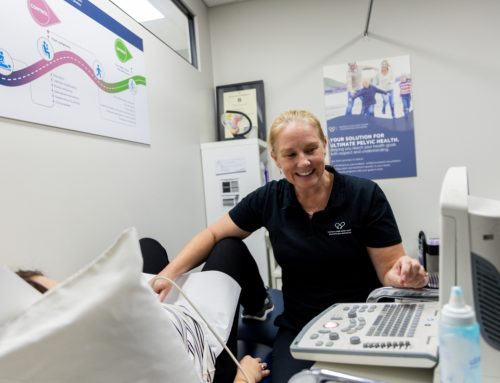
Instead, your exercise program may need to be individually assessed and modified. A pelvic health physiotherapist can help you understand how your pelvic floor responds to different types and intensities of exercise and develop strategies to allow you to continue doing the activities you enjoy.
You should not feel that pelvic floor symptoms mean you have to give up running, lifting weights or other forms of exercise.
The bottom line
The peri-menopause and post-menopause years are not a time to stop challenging your body. In fact, they are an important time to become more intentional about maintaining strength, fitness, balance and mobility.
Aim to include:
- Strength: at least 2 sessions per week
- Cardio: 150–300 minutes moderate or 75–150 minutes vigorous exercise per week
- Balance and functional movement
- Mobility and recovery
- Activities you enjoy
Most importantly, start where you are and gradually build from there. Your exercise program should reflect your current fitness, symptoms, health and goals.
Need help getting started?
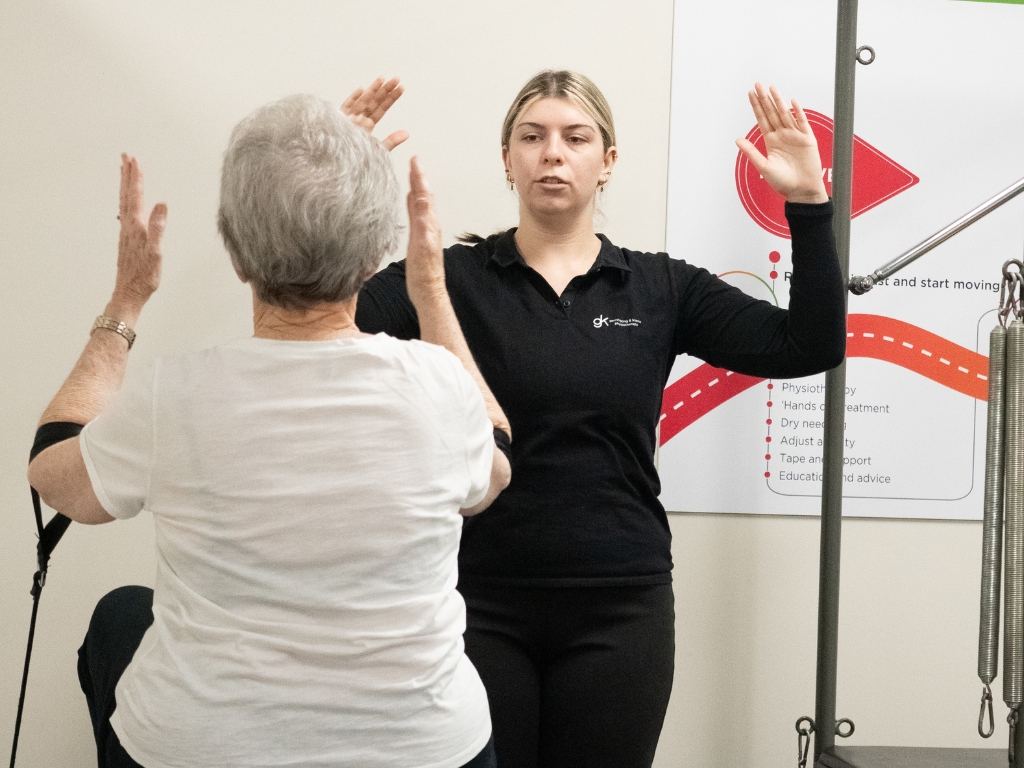
At Gerringong & Kiama Physiotherapy, we can help you develop an exercise program appropriate for your stage of life and goals, whether you want to become stronger, improve your fitness, manage pelvic floor symptoms, return to running or simply remain active and independent.
You can also join one of our physiotherapist-led exercise classes, designed to help you build strength, fitness and confidence in a supportive environment.
Ready to take the first step? Book online or call us on (02) 4234 4666.