
Thinking About the ONERO® Program on the South Coast?
Written by Gerringong & Kiama Physiotherapy
If you have been told you have osteoporosis or osteopenia, our ONERO® program might be the right answer for you. Bone responds differently to different types of movement, and the wrong approach can leave you exactly where you started, or too nervous about fracture to exercise at all.
The ONERO® program is a clinically supervised, evidence-based exercise program for bone health, and we run it at both our Gerringong and Kiama clinics. We serve the wider South Coast NSW area. This blog covers how common low bone density is, what the program involves, who it can suit, and the questions we get asked most often before people start.
How common is low bone density in Australia?

Osteoporosis is more common than most people think, and it usually has no obvious symptoms, so it often goes unnoticed until a fracture happens. Self-reported data from the Australian Institute of Health and Welfare puts the number of Australians living with osteoporosis at close to a million, with prevalence climbing sharply with age. Close to 3 in 10 women aged 75 and over are affected, compared with around 1 in 10 men in the same age group.
Osteopenia, the earlier stage where bone density has dropped but hasn’t reached the osteoporosis threshold, affects even more people. Many find out through a routine bone scan, or after a fracture caused by something relatively minor, like a fall from standing height.
What is the ONERO® program?
ONERO® is a clinically supervised exercise program built specifically for people with osteoporosis, osteopenia or low bone density. Researchers at Griffith University and The Bone Clinic in Queensland developed it, drawing on the LIFTMOR trial, a randomised controlled study of high-intensity resistance and impact training in postmenopausal women with low bone mass.
The program centres on a small set of carefully chosen resistance and impact-loading exercises. Bone needs a certain amount of load to respond and get stronger, and gentle movement alone often doesn’t provide it. ONERO® applies that load in a closely supervised way.
Only physiotherapists and exercise physiologists trained and licensed in the ONERO® program can deliver it, and our clinicians hold that training. You can find out more about our classes on our classes page.

Who is this program for?
ONERO® suits adults who have been diagnosed with osteoporosis or osteopenia, who have had a fragility fracture, or who have been identified as being at higher risk of falls or fractures. There is no set age cut-off, though it comes up most often for postmenopausal women, since oestrogen decline drives bone loss, and for older adults more broadly.
High-intensity training won’t suit everyone with low bone density straight away. Other health conditions, a recent fracture, or certain medications can change what is appropriate. That is why the program starts with a proper clinical assessment rather than simply enrolling into a class.
Common misconceptions
A few beliefs about osteoporosis and exercise come up often enough to be worth a mention.
“If I have osteoporosis, I should avoid strenuous exercise in case I break something.” This has long been the standard advice, but the research behind ONERO® showed that appropriately loaded and supervised high-intensity training was well tolerated in postmenopausal women with low bone mass.
“Walking is enough to protect my bones.” Walking is genuinely good for general health and fitness. It just doesn’t apply the kind of load that has been shown to meaningfully improve bone density once density is already low. That gap is exactly why a more targeted program is important.
“Once I’m on medication, I don’t need to think about exercise.” Medication and exercise work on bone health through different mechanisms, and current guidance treats them as a team, not a choice between one or the other. Worth raising directly with your GP or specialist.
What should I expect from the program?
Initial assessment
Before joining, you will have an individual assessment with one of our trained clinicians, covering your medical history, any existing fractures, current medications, and your DEXA bone density scan results if you have them. This is what determines whether the program suits you, and how the exercises should be set up.
Supervised group sessions
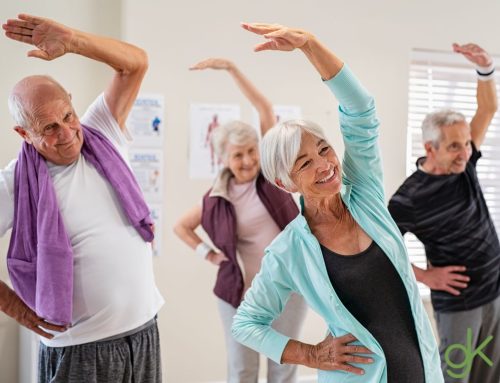
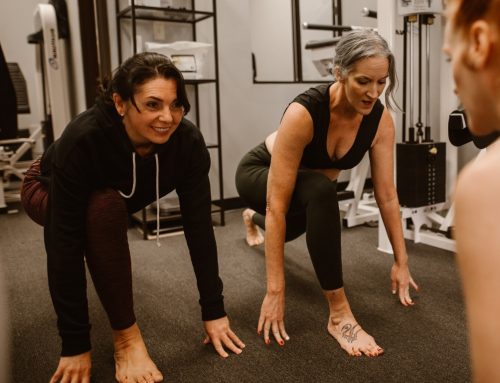
Sessions run in small groups so clinicians can keep a close eye on technique and loading for each person. They bring together high-intensity progressive resistance training, impact-loading exercises, and balance work, since falls matter to fracture risk just as much as bone density does. Every exercise is adjusted to the individual, taking any other joint or muscle conditions into account.
An ongoing commitment
Bone remodels slowly, so this kind of training pays off over months, not weeks. Your clinician will talk you through a realistic timeframe at your initial assessment and check in on your progress as you go.
What does the research show?
ONERO® is based on two Australian trials led by researchers at Griffith University. The first, LIFTMOR, studied postmenopausal women with low bone mass. Over eight months, supervised high-intensity resistance and impact training improved bone mineral density and physical function, and the training was well tolerated under close supervision. A follow-up trial, LIFTMOR-M, applied a similar approach to middle-aged and older men with osteopenia or osteoporosis and also found benefits for bone and physical function.
Results vary between individuals, and outcomes depend on things like baseline bone density, how consistently you attend, and other health conditions. ONERO® works alongside medical management of osteoporosis. If you are on, or considering, osteoporosis medication, that conversation belongs with your GP or specialist.
What if ONERO® is not the right fit for me?
A high-intensity bone-loading program isn’t the answer for every case of joint pain, frailty or fall risk, which is why the initial assessment matters. If knee or hip osteoarthritis is the bigger concern than bone density, our GLA:D® program might fit better. If dizziness, unsteadiness or a history of falls is the main issue, take a look at our vestibular and balance clinic.
For general strength, mobility or injury management, one-on-one physiotherapy or exercise physiology can be a better starting point, and remedial massage sits well alongside any of these.
FAQs

Taking the first step
If you have been told your bones are thinning, or you would simply rather be proactive about bone health as you get older, it is worth finding out if ONERO® is right for you.
Call us on 02 4234 4666 to book an initial ONERO® assessment, or read more on our Classes page. You will find more articles on healthy ageing and staying active on our Physio Tips & Advice blog.
This article provides general information only and is not a substitute for individual assessment or advice from a qualified health practitioner. Outcomes vary between individuals. Please speak with your physiotherapist, GP or specialist about what is appropriate for your circumstances, particularly regarding any osteoporosis medication.
References
Australian Institute of Health and Welfare. (2020). Osteoporosis (Cat. no. PHE 233). Australian Government. https://www.aihw.gov.au/reports/chronic-musculoskeletal-conditions/osteoporosis
Watson, S. L., Weeks, B. K., Weis, L. J., Harding, A. T., Horan, S. A., & Beck, B. R. (2018). High-intensity resistance and impact training improves bone mineral density and physical function in postmenopausal women with osteopenia and osteoporosis: The LIFTMOR randomized controlled trial. Journal of Bone and Mineral Research, 33(2), 211-220. https://doi.org/10.1002/jbmr.3284