
What Parents in Gerringong and Kiama Need to Know About Sever’s Disease
Written by Belinda Henry.
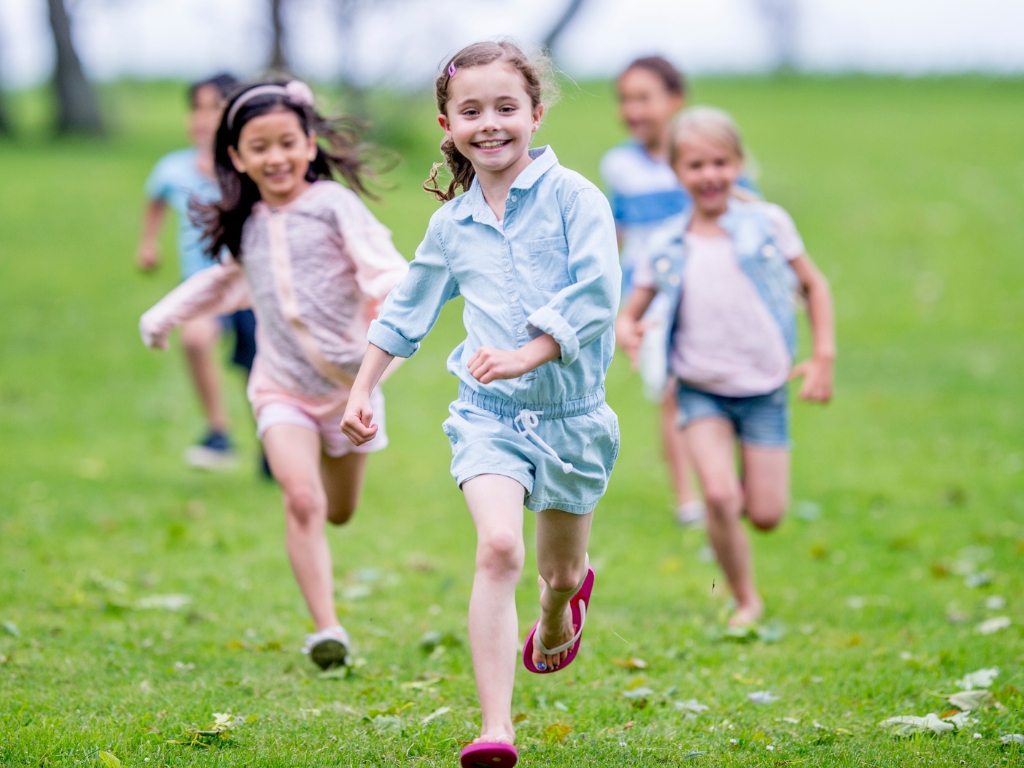
If your child plays soccer, AFL, rugby league, hockey, netball, or any other sport, and has started complaining about heel pain there’s a good chance you’re dealing with Sever’s disease.
Despite the name, Sever’s disease isn’t really a disease at all. It’s the most common cause of heel pain in growing children and adolescents, and it’s something we see a lot in young, active kids around Gerringong and Kiama, particularly during winter sport season.
The good news: it’s very manageable. Sometimes frustratingly, we see kids “push through it” and struggle through their season of winter sport. This often means months of nagging pain, kids sitting out the sport they love, or playing through pain that could be eased much sooner. It’s true that this condition will eventually resolve, but for some kids it’s very painful for months, or even 2-3 seasons of sport in a row.
What Actually Is Sever’s Disease?
The proper name is calcaneal apophysitis: inflammation at the growth plate on the back of the heel bone (the calcaneus), where the Achilles tendon attaches.
Kids’ bones grow from areas called growth plates, and these are softer and more vulnerable to stress than mature bone. During growth spurts, the heel bone and legs can grow slightly faster than the calf muscles and Achilles tendon can stretch to keep up. This creates extra tension right at the growth plate every time your child runs, jumps or sprints.
It typically affects:
- Children aged 8 to 14 (usually a bit earlier in girls, a bit later in boys, tracking with growth spurts)
- Active kids playing running and jumping sports
- Both feet in some cases, though one side is often worse
- Kids going through a growth spurt or a sudden jump in training/playing load
What Parents Usually Notice
- Heel pain that comes on during or after sport, rather than a specific injury moment
- Limping after training or games
- Pain when squeezing the sides of the heel
- Complaints of stiffness first thing in the morning or after sitting
- A child who’s reluctant to run flat out, or who changes the way they run to avoid loading the heel
Why “Just Wait It Out” Isn’t the Best Advice
It’s true that Sever’s disease resolves on its own once the growth plate fuses, usually by around age 15. But just because it will go away eventually doesn’t mean there’s nothing to be done in the meantime. That timeline can mean a year or more of a child managing discomfort, missing training, or losing confidence in their body during a sport they love.
This is where physiotherapy can make a real difference. We’re not trying to speed up bone growth, we’re managing the load going through that growth plate and addressing the factors that are winding up the irritation in the first place. This can really help your child stay active and comfortable.
How Physio Actually Helps
A physio assessment looks at the whole picture, not just the heel:
- Load management: We rarely stop kids playing completely. Rather than stop all sport, we work out a realistic plan. This often means temporarily adjusting training volume, reducing sprint/jump-heavy sessions, then building back up as symptoms settle. Total rest is rarely necessary, let alone realistic for a kid who wants to play.
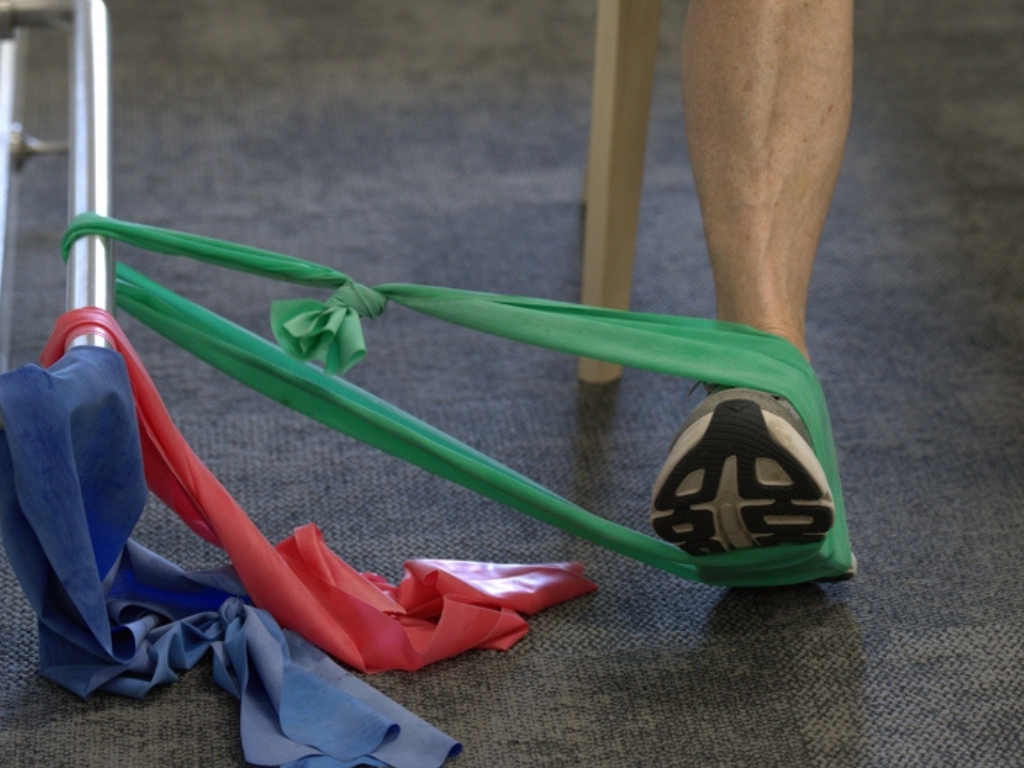
- Calf and Achilles flexibility: Growth spurts often leave calves tight relative to bone length. Targeted stretching and soft tissue work take direct tension off the heel.
- Strengthening: This helps improve how forces travel through the leg, reducing the repetitive strain on the growth plate.
- Footwear and orthotic advice: The right boots or runners, and sometimes a simple heel raise or supportive insole, can meaningfully reduce heel loading during matches and training.
- Technique and biomechanics: Running and landing patterns matter. Small adjustments in sports with a lot of sprinting, cutting and jumping can take pressure off the heel.
- A clear return-to-sport plan: We love our sport too, and never want to pull kids out. If we get to this early, there’s much less chance kids miss playing time. We’ll give you and your child a clear plan to continue their chosen sport.
When to Get It Checked
Book an assessment if your child has:
- Heel pain lasting more than a week or two
- Pain that’s affecting how they walk or run
- Pain that’s stopping them from training or playing
- Recurring heel pain each season
Sever’s disease is very treatable, but heel pain in kids can occasionally be something else: a stress reaction, a bone issue, or a biomechanical problem elsewhere in the leg. A proper assessment rules these out and makes sure your child gets the right plan, not just a generic one.
Need help?
Sever’s disease isn’t something your child simply has to endure until they grow out of it. With the right load management, strengthening, footwear advice and a clear plan, most kids can stay involved in the sport they love.
If your child in Gerringong or Kiama is complaining of heel pain after training or games, get in touch with our team at Gerringong & Kiama Physiotherapy.
We work with a lot of local junior athletes and can have your child back running around with confidence sooner than you’d think.
This article is general information and doesn’t replace individual assessment. If your child is in pain, book an appointment so we can look at what’s actually going on.